Arnhem during the Second World War: discover the past
Today, Arnhem is a vibrant city brimming with culture, nature, and a pleasant atmosphere. But if you look closely, you'll discover traces of a profound past everywhere. During World War II, Arnhem was the scene of one of the fiercest battles on Dutch soil: the Battle of Arnhem. Strolling through the city, you'll discover stories of courage, loss, and hope.
In this blog we take you along the most important places and sights of this special history.
Battle of Arnhem
A crucial moment in the war was the Battle of Arnhem. In September 1944, Arnhem became world news as part of the Allied Operation Market Garden. The objective of the operation? To quickly push through to Germany via the Netherlands. Arnhem was a crucial link in this process, with the bridge over the Rhine as a strategic center.
Operation Market Garden
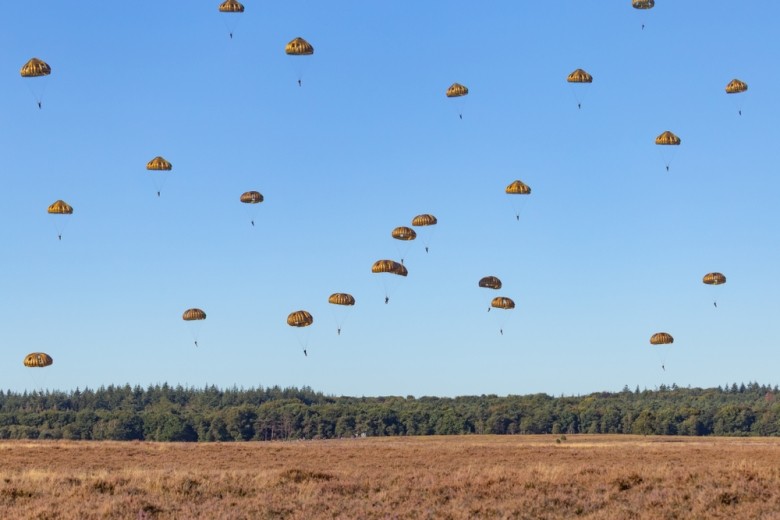
The Allies planned a combination of airborne and ground forces. Hundreds of British paratroopers were dropped en masse in the area around Wolfheze, Oosterbeek, and Arnhem, with the task of capturing and holding the bridge until Allied ground forces could reach them. The ground forces didn't arrive in time. The British were surrounded by heavily armed German troops.
A bridge too far
The fighting in Arnhem was intense, bloody, and tragic. The Allies fought for days to hold on to what we now know as the John Frost Bridge, but ultimately they were forced to withdraw. Arnhem was heavily bombed, and the city was almost completely destroyed. The famous phrase "A Bridge Too Far" refers to this failed attempt at liberation.
Scars from the past
After the battle, the entire population was forced to leave the city. Arnhem became a ghost town and remained in German hands until its liberation in 1945. The scars of the battle are still visible in the city. Monuments, museums, and cemeteries tell the story of courage, sacrifice, and loss. Today, you can relive this history in a compelling way.
The Airborne Museum in Oosterbeek
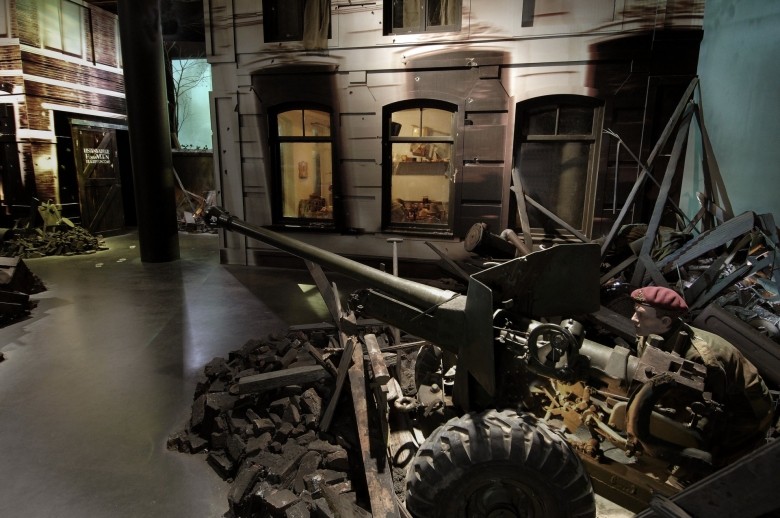
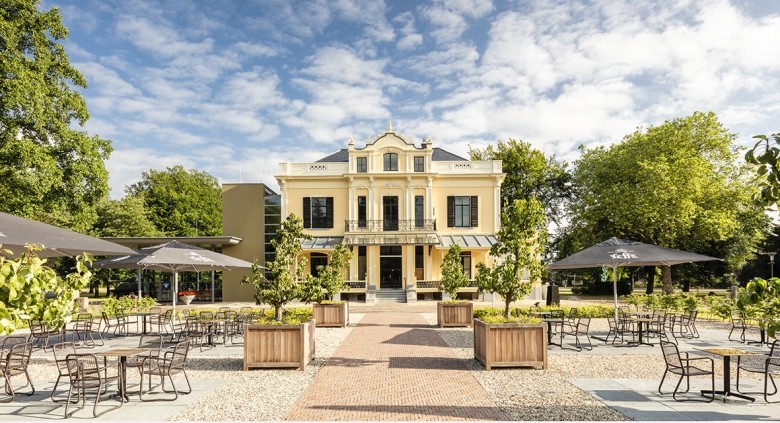
An absolute must for anyone wanting to learn more about World War II in Arnhem is the impressive Airborne Museum 'Hartenstein' in Oosterbeek. This former headquarters of the British troops tells the story of the Battle of Arnhem through personal accounts, historical artifacts, and immersive multimedia.
As soon as you step inside, you are immersed in the story of Operation Market Garden, one of the largest airborne operations in history.
Airborne Experience
Through personal stories, uniforms, original weapons, and photos, you'll gain a sense of the fierce fighting in and around Arnhem. A highlight is the interactive Airborne Experience: an underground experience route that literally takes you through the battlefield.
Outside in the surrounding park, you can relax among the monuments and commemorative plaques. There's a special treasure hunt for children, and there's also a museum café inside.

The iconic John Frost Bridge
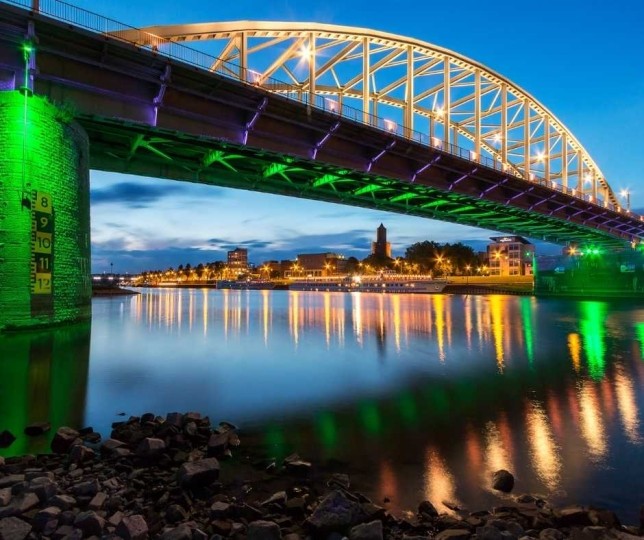
The John Frost Bridge is perhaps the most famous symbol of the Battle of Arnhem. It's a bridge steeped in history, named after British commander John Frost. This bridge over the Rhine became the scene of battle for British paratroopers to liberate Arnhem in September 1944.
For days, Lieutenant Colonel John Dutton Frost and his troops held out against an overwhelming German force, with the bridge as their last bastion.
A Bridge Too Far
The name "Bridge Too Far" comes from this battle, named after the dramatic realization that Arnhem ultimately proved "one bridge too far" for the Allied advance. Walk across the bridge and imagine the air filled with smoke, the roar of explosions, and soldiers fighting for their lives. The view of the Rhine and the city makes the experience even more impressive.
Airborne at the Bridge Museum
On the north side of the John Frost Bridge, you'll find the Airborne at the Bridge Museum. The museum tells the story of the Battle of Arnhem through three perspectives: a British soldier, a German commander, and a Dutch civilian. Through audio clips, original objects, and photographs, you step into their shoes and experience the battle as they witnessed it.
Impressive and free to visit
The combination of an impressive location, personal perspectives, and free admission makes this museum an absolute must-see. The personal approach makes the museum suitable for all ages, and it also combines well with a walk past other historical sites in the city.
Historical walks through Arnhem
If you want to explore Arnhem actively, head into the city with sturdy walking shoes. Traces of the past lie hidden among the charming shopping streets, parks, and squares. A WWII walking tour through Arnhem will transport you back to the era of airborne landings, air raid shelters, and devastated streets. The city breathes history.
In the footsteps of the past
Various walking routes take you past key sites from the Battle of Arnhem. These include Airborne Square, the former German headquarters, the Eusebius Church, which was severely damaged during the fighting, and, of course, the John Frost Bridge. Along the way, you'll encounter numerous plaques, monuments, and listening points, each with its own unique story.
A good audio tour or a local guide will truly bring the stories to life. This way, you'll not only learn about the past but also see the city today with a different perspective.
Liberation Route Europe
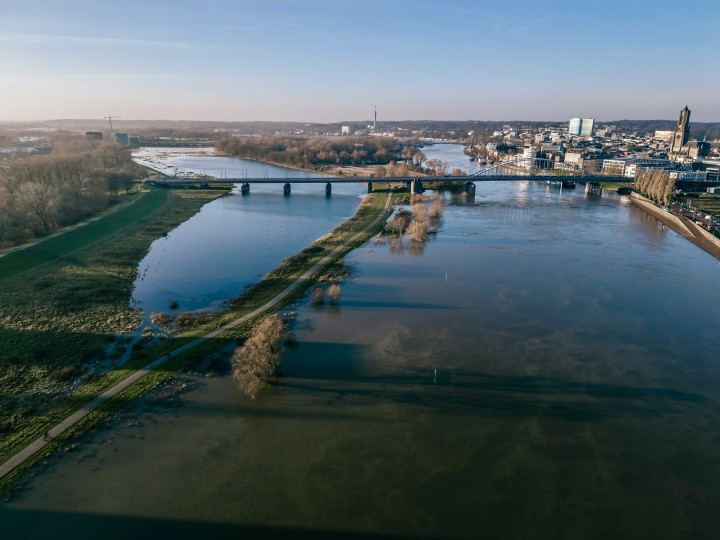
Arnhem is an important stop on the international commemoration route Liberation Route Europe.
Along this route, you'll find various listening stations in and around Arnhem: small columns with a QR code or button that allows you to listen to audio stories from people who experienced the war up close.
We recommend walking part of the Arnhem-Oosterbeek Liberation Route. It takes you past sites where fighting took place, but also through villages where evacuations took place, forests where gliders landed, and hills where soldiers hid.
Tip : Combine a visit to the John Frost Bridge and Airborne at the Bridge with parts of this route for a complete WWII experience in Arnhem.
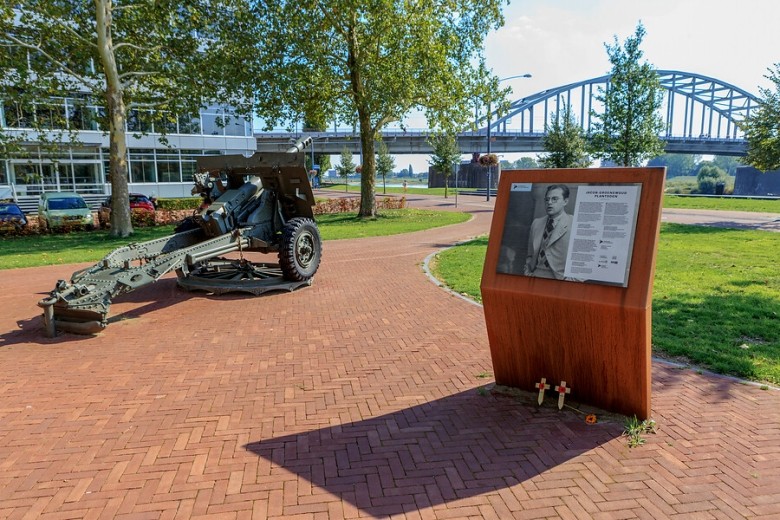
Memorials and symbols of courage
The Eusebius Church
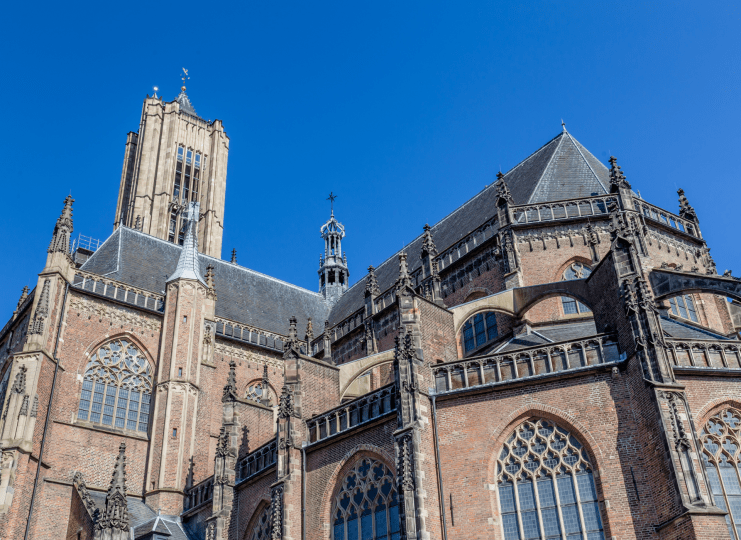
In the heart of Arnhem, the Eusebius Church towers majestically above the city. But if you look closely, you'll see scars from the past. During the Battle of Arnhem, the church was severely damaged by bombing.
For years, the building symbolized the city's destruction. After the war, the church was completely restored and now stands as a symbol of both destruction and restoration.
Visit the Eusebius Church and take the glass panoramic elevator to the top, where you'll have a magnificent view of the city from the viewing platform. Inside, you'll discover burial vaults, historical objects, and temporary exhibitions that look back on the war years. A must-see for anyone who wants to experience Arnhem's wartime history up close.
Airborne Monument The Needle in Oosterbeek
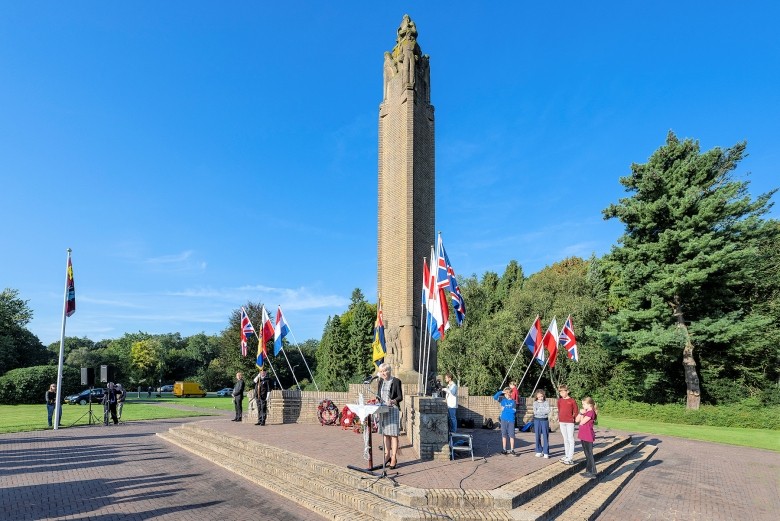
The Airborne Monument "De Naald" (The Needle) stands in Oosterbeek. This columnar monument marks the area where the fiercest fighting during the Battle of Arnhem took place.
Every year, the official commemoration takes place here, where veterans, relatives and visitors gather to honor the liberators.
Resistance Monument Arnhem
In Elisabethshof Park, near Arnhem's city center, stands the impressive Arnhem Resistance Monument. It commemorates the men and women who risked their lives to resist the occupying forces. It's a place of silence and reflection, where you can pause to reflect on the personal suffering and collective courage of that time. Flowers are laid here every year during national commemorations.
Glider Monument Wolfheze
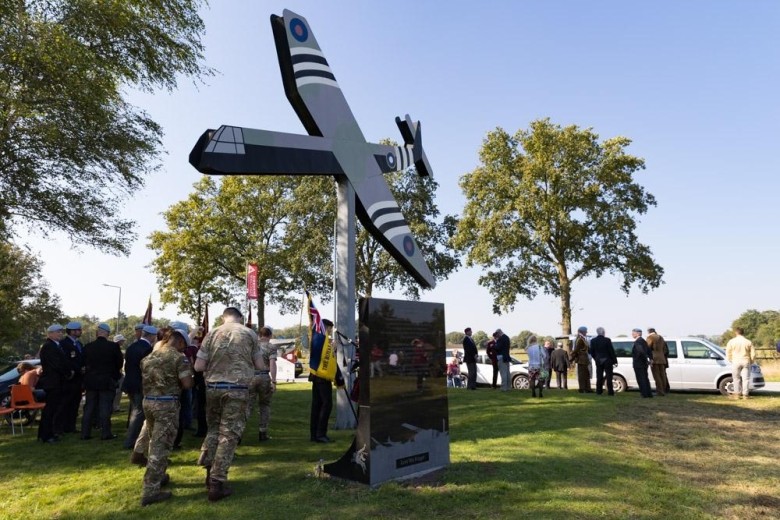
In the leafy village of Wolfheze, you'll find the Glider Monument, a commemoration of the gliders—engineless gliders used to airlift British troops and equipment during Operation Market Garden. The monument depicts a bronze glider atop a pedestal, nestled in the landscape where hundreds of these aircraft landed. Remains of landing fields can still be seen in the immediate vicinity.
War cemeteries: places of silence
Airborne Cemetery Oosterbeek
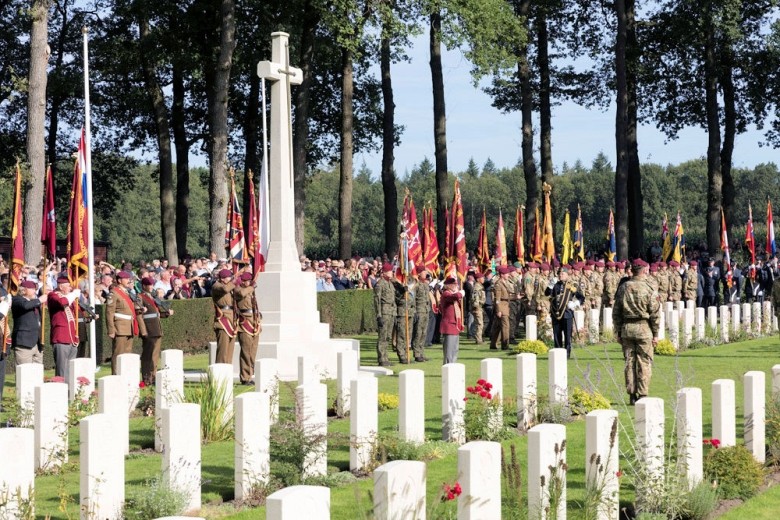
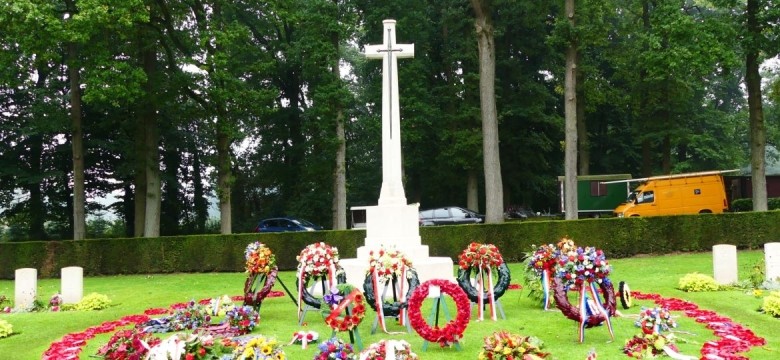
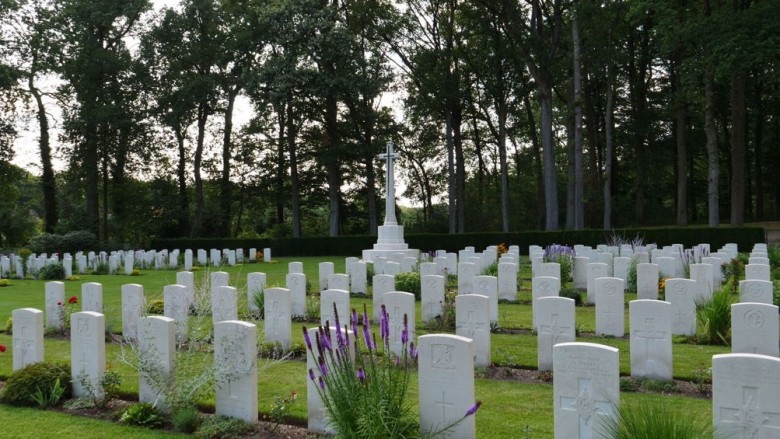
Nestled among tall trees and neatly maintained lawns in the village of Oosterbeek lies the Airborne Cemetery: the largest military cemetery in the Netherlands connected to the Battle of Arnhem. More than 1,750 Allied soldiers, primarily young British soldiers who fell during Operation Market Garden, are buried here. The white headstones are arranged in neat rows, each bearing a name, rank, and sometimes a personal message from family.
Every year on the third Saturday of September, the famous Airborne Commemoration is held here, with schoolchildren from the region laying flowers at the graves.
It is one of the most poignant moments of the commemoration season.
Commonwealth War Graves Cemetery Arnhem
Besides the large cemetery in Oosterbeek, there is also a smaller, but no less impressive, war cemetery in Arnhem itself. This Commonwealth War Graves Cemetery contains the remains of Allied soldiers who died in and around the city.
For those who want to escape the hustle and bustle of the city for a while and reflect on the war past in a personal way, this is a quiet place of respect and remembrance.
Military history and bunkers
Deelen Air Base
North of Arnhem lies the site of the former Deelen Air Base. During World War II, this was a strategic airfield for the German Luftwaffe and a key component of its air defense. The base grew into one of the largest military airfields in the Netherlands, complete with concrete shelters, bunkers, and an extensive road network.
Deelen Air Base Museum
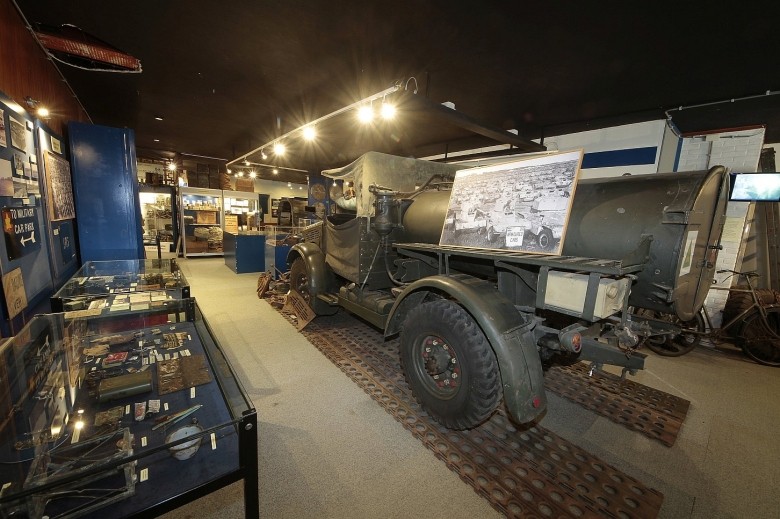
Deelen Air Base Museum fascinatingly tells the history of this location. From authentic uniforms to radio communications and aerial photographs, everything exudes military precision and suspense. You'll learn not only about the German presence but also about Deelen's role in the Cold War and beyond. Combine your visit with a walk or bike ride through the surrounding nature reserve, where you'll still find traces of the old airfield.
Bunker complexes and remains
Not only Deelen, but also the forests near Wolfheze, Oosterbeek, and the Veluwe region conceal silent witnesses to the war years: bunkers, trenches, and old ammunition depots. These bunker complexes, often overgrown with moss and ferns, lie silent, yet tell a story of occupation, defense, and resistance.
Discovery tours and hiking trails
Some of these spots are freely accessible to hikers, creating a unique setting for a historical discovery tour surrounded by nature. Often, you only have to stray slightly from the path to stumble upon a hidden bunker or foxhole. Perhaps overgrown, but still clearly recognizable.
Hikers and history buffs can discover remnants of these fortifications in various locations throughout the Arnhem region. Special WWII walking routes take you past these hidden relics of the war.

Annual commemorations and events
Arnhem not only lives with its history but also commemorates it every year in September. During this month, the city commemorates the events of 1944 with impressive ceremonies, events, and gatherings that attract visitors from both the Netherlands and abroad.
Airborne Remembrance Week
Around the third week of September, Arnhem and the entire region commemorates the events of 1944 during the annual Airborne Remembrance Week. Impressive commemoration services, silent marches, and wreath-laying ceremonies take place at historic locations such as the Airborne Cemetery in Oosterbeek, the John Frost Bridge, and De Naald.
The city symbolically turns Airborne red, schools pay extra attention to the liberation and in various places you can hear live music from military corps.
Airborne Walk
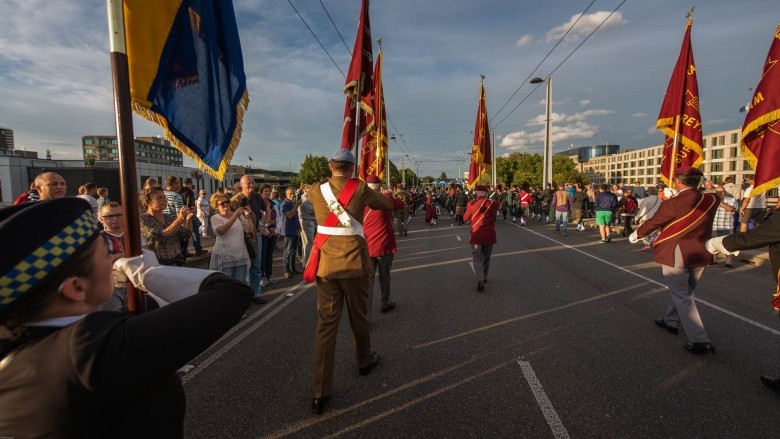
One of the largest annual events is the Airborne March, which starts in Oosterbeek. It's the world's largest one-day military commemorative march. Tens of thousands of walkers, young and old, in uniform or casual wear, pass historical sites while marching bands, flag bearers, and bagpipers create an impressive atmosphere.
Liberation events and re-enactments
During the commemoration period, re-enactments are also held, featuring re-enactments of historical battles, complete with original vehicles and uniforms. In the center of Arnhem and around the John Frost Bridge, you can experience parades and demonstrations. At some locations, you can even speak with veterans or visit temporary exhibitions.
Overnight stay in Arnhem
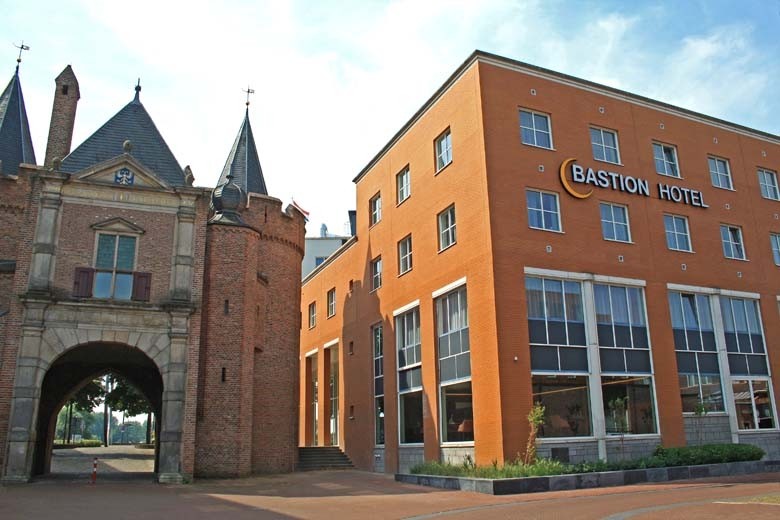
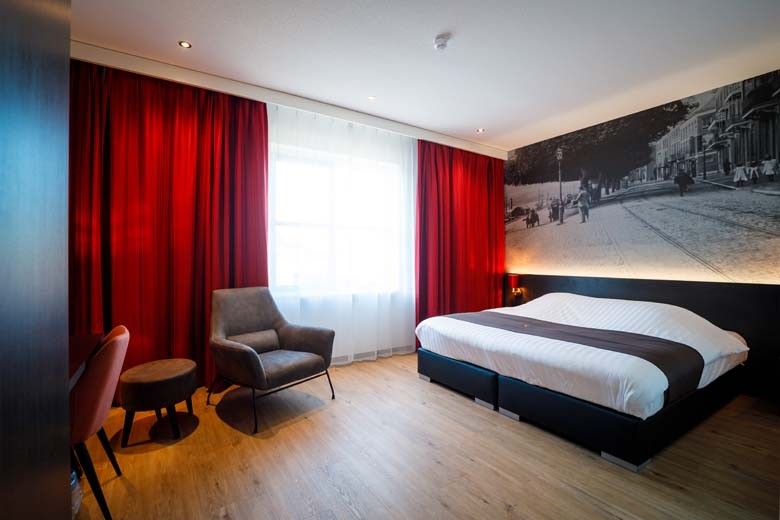
Planning to explore Arnhem and its wartime history? Combine your visit with a comfortable overnight stay at Bastion Hotel Arnhem. The hotel is within walking distance of the city center, the Rijnkade, and the John Frost Bridge. You'll sleep in a modern room with comfortable beds, enjoy a delicious breakfast, and easily park your car in the underground parking garage.
From the hotel, you can easily walk to the main attractions. Perfect for a weekend getaway filled with history, culture, and comfort.
- Modern hotel
- Comfortable rooms
- Restaurant & Bar
- Free WiFi
- Covered parking garage